Island County Jail, WA Inmate Roster Locator, Visitations, Contacts, Sheriff
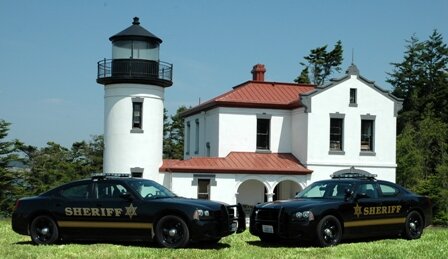
The Island County Jail was renovated with extra space in 1983 and is a traditional straight style (cell square and quarters) office that houses both condemned and pre-preliminary most astonishing security prisoners. The Jail gets intended to accommodate up to 58 detainees at some random time.
Prisoners approach outside entertainment, mail, supermarket buys (minor supermarket food things and sundries), and unique projects.
Detainees likewise get clinical, psychological well-being, and dental consideration. Strict administrations and some guilty party change programs got additionally advertised. Public visiting is also accessible on a rotational premise; if it’s not too much trouble, survey Meeting Conventions beneath for more data. Condemned detainees might be qualified to perform work in the office kitchen or custodial teams and get “work-time” credits to diminish their sentences. Eligible detainees may meet all requirements for the Local area Work Program or Electronic Observing Project.
The Island County Jail remain ever determined to the residents of the County of Island with the certainty staff stays proficient in the exhibition of their obligations and watchful in their endeavors to defend the local area.
Jail Roster – Inmate Locator
Locating someone in the Island County Jail is easier than ever now. All you need to do is find the jail roster that is available here on this website. Please input their full name to have a successful inmate search.
The jail roster may also provide additional information about each inmate, such as charges, and release date.
In addition to the inmate search feature, the Island County Jail website also allows you to check for recent bookings and releases. This can be useful if you’re trying to keep track of someone who has been arrested or if you’re interested in seeing who has recently been released from custody.
If you’re having trouble locating an inmate through the online jail roster, you can also contact the Island County Jail directly for assistance. The jail staff may be able to provide you with more information about the inmate’s status, location, and visitation policies.
It’s important to note that information about inmates in the Island County Jail is public record, but there may be certain restrictions on accessing this information. For example, you may need to provide a valid reason for requesting the information or have a legal right to access it.
Overall, the Island County Jail website provides a valuable resource for anyone who needs to find information about inmates, bookings, or releases.
Incoming Mail
Letters/correspondence routed to prisoners should bear a name and return address, or the mail won’t get conveyed to the detainee. Mail will be opened by the staff and investigated for stash before conveyance. Legitimate mail from/to lawyers, the courts, or chose government, state, county, ancestral, or city authorities will not be retained and will get assessed within sight of the detainee.
Mail might get perused just if there is clear and persuading proof that the correspondence represents a danger to the wellbeing of the office, public authorities, or the overall population or is getting utilized in the facilitation of criminal operations. The perusing of a prisoner’s mail will get recorded in the detainee’s mail log.
Mailing address
Inmate’s Name
Island County Jail
PO Box 5000
Coupeville, WA 98239
Visitations
Inmates are allowed one 30-minute visit per week, scheduled as follows:
- Tuesday, 1:30-4:00 p.m., for last names A through F
- Wednesday, 1:30-4:00 p.m., for last names G through L
- Thursday, 1:30-4:00 p.m., for last names M through R
- Friday, 1:30-4:00 p.m., for last names S through Z
Limited access will be available on Saturday and Sunday between 1:30-4:00 p.m. for inmates who are unable to receive visits on their scheduled day. However, inmates must submit a written request to a supervisor by 5 p.m. Thursday for a weekend visit. A supervisor will approve or deny the request by Friday. Only approved visitors are allowed in the jail for weekend visitation.
Upon entering the jail, visitors must present photo identification and complete a visitation form. Electronic devices such as mobile phones, laptops, and iPads are not permitted in the visiting area and should be left in a vehicle or secured in a locker before the visit. Visitors must also adhere to clothing standards, which are necessary for the safety and security of all involved.
During visits, visitors are expected to be respectful and follow all instructions given by facility employees. Any violation of facility rules may result in visit suspension for up to one year from the date of the incident. The Sheriff’s Office intends to maintain visiting programs that help inmates maintain positive relationships with family and friends, and cooperation by all participants is encouraged.
Additionally, to ensure the safety of visitors and inmates, photo identification is required to be processed into a visit. Minors under 18 years of age are allowed to visit with a parent or guardian only. Visitors are required to complete a visitation form upon entering the jail and submit it to the Main Control Deputy along with their photo ID. Electronic devices such as mobile phones, laptops, and iPads are not permitted in the visiting area and should be left in the vehicle or secured in a locker before the visit.
Clothing standards are also necessary to ensure the safety and security of visitors and inmates, and to promote a positive environment. Visitors should wear conservative clothing to maintain a respectful visiting environment and ensure processing time is kept to a minimum. The Lieutenant on shift will make the final determination regarding the appropriateness of any clothing, footwear, or accessories.
During visits, visitors are encouraged to cooperate and be respectful, courteous, and follow all instructions given by facility employees. Any conduct or behavior that threatens the health and safety of visitors, inmates, or others is strictly prohibited, and any visitor found violating facility rules may be subject to visit suspension for periods of up to 1 year from the date of the incident.
Bail Information
For those who need to post bail for a loved one or themselves, there are some important steps to follow. First, you will need to provide a bonding agent with the individual’s full name, charge, and bond amount. This information can be found on the Island County Sheriff’s Office website under the “Jail Roster” section.
After you provide the information, the bonding agent will review it and determine the next steps. It’s important to note that the jail does not provide recommendations on which bonding agent to use. You or the individual in custody will need to conduct research and find a reputable bonding agent.
There are several bonding agents listed in the phone book or on the internet. Take the time to carefully choose a bonding agent that will provide the necessary support and guidance through the bail process. With the right information and a trusted bonding agent, you can help your loved one or yourself get through this challenging time.
Inmate Funds
Island County Jail allows inmates to have money on their accounts for various purposes, including purchasing items from the commissary list. In case of release, any remaining funds will be returned to the inmate. To place funds on an inmate account, anyone can use certified checks, money orders, or money. The check or money order should be made payable to the Island County Inmate Trust acct FBO (Inmate’s name), with the inmate’s name and number on the reference line. It is recommended to mail certified funds and provide a receipt during visiting sessions. Personal checks will not be accepted, and any received will be placed directly into the inmate’s property box.
Family and friends can send commissary items to inmates through Trinity Services SECUREPAK, which offers a safe and reliable way to send food items, hygiene items, writing materials, and other permitted common use items. To use this service, individuals can click on the provided link or search for Access Securepak by Trinity Services Group.
Island County, nestled in the picturesque region of Puget Sound in Washington State, is an idyllic community comprised of two main islands, Whidbey and Camano, and numerous smaller islands. The safety and security of this serene and welcoming community is overseen by the Island County Sheriff’s Office. With a deep commitment to providing high-quality public safety services, the Sheriff’s Office has built a reputation for its dedication to protecting the citizens and maintaining a peaceful atmosphere.
The Island County Sheriff’s Office’s top priority is the safety of the public. To ensure the safety of the communities, particularly the most vulnerable members, the Sheriff’s Office is focusing on educating people on how to protect themselves and their families.
The Island County Sheriff’s Office’s mission to give fair, local area arranged police administrations to keep up and improve Island County’s standing as a protected, flourishing local area where inhabitants and guests can securely live, work and visit.
The Sheriff, Rick Felici
“Believes strongly in a community that works together with law enforcement to help solve crime and make Island County a safer place to live. In order to commit to this philosophy, he will dedicate himself to answering the needs of the citizens and fostering their trust in the men and women of the Island County Sheriff’s Office.”
Sheriff Services
Island County Sheriff’s Office provides various services for residents, senior citizens, visitors, businesses, and county-related matters.
- Residents can benefit from assistance programs and family health programs.
- Senior citizens can avail themselves of property tax exemption, pet adoption, and other senior services.
- Visitors can enjoy parks & trails and find places to live.
- Businesses can get help with contracting & bidding.
Hazardous Material Drop-Offs
Instead of a solitary day for drug takebacks, Island County keeps a drop confine the anteroom of the Addition Working in Coupeville, WA. The hours for drop-off are Monday – Friday 8:00 AM to 4:30 PM, barring occasions.
Kindly spot any pills, tablets, or cases in a Ziploc type pack to put in the dropbox, don’t discard the whole jug. The accompanying things are not acknowledged at the dropbox.
- Needles, or different sharps
- Inhalers, like those for asthma
- Fluids
- Mercury thermometers
- Iodine-containing drugs
- Illicit medications or substances
Concealed Pistol License
You are free to plan an arrangement to apply for a Unique Disguised Gun Permit at the ICSO Coupeville Area; time allotments are offered Tuesday through Friday hourly somewhere in the range of 9:00 am and 3:00 pm and special days on Camano Island. To plan, if it’s not too much trouble, call at 360-678-4422 choice #5
Things to note:
- The facility do necessitate that you wear a veil.
- If it’s not too much trouble, reschedule on the off chance that you are feeling unwell. The temperature will get checked at the hour of your arrangement.
- The application charge is $49.25 money or checks just (careful money on Camano Island, there is no change accessible). The facility can’t acknowledge cards.
- Kindly make sure to bring a picture ID. State or Governmentally gave ID (ex: express driver’s permit, military ID, identification) are, for the most part, good choices.
- You should finish a Province of Washington Hid Gun Permit Application, which you can download early, or have some access on the table external office.
- Fingerprints will get taken at the hour of your application.
Correctional Facilities in Washington:
Name
Address
Phone
Fax
Email
Ahtanum View Corrections Center
2011 South 64th Avenue, Yakima, WA, 98903
509-573-6300
Ahtanum View Work Release
2011 South 64th Avenue, Yakima, WA, 98903
509-573-6318
Airway Heights Corrections Center
11919 West Sprague Avenue, Airway Heights, WA, 99001-1899
509-244-6700
Bellingham Work Release
1127 N. Garden Street, Bellingham, WA, 98225
360-676-2150
Bishop Lewis Work Release
703 8th Avenue, Seattle, WA, 98104
206-464-7000
Brownstone Work Release
223 S. Browne Street, Spokane, WA, 99201
509-381-6220
Camp Outlook @ Connell
1270 North Ephrata PO Box 1160, Connell, WA, 98326
509-234-5200
Email
Canyon View Community Facility
260 North Georgia Avenue, East Wenatchee, WA, 98802
509-886-6283
Cedar Creek Corrections Center
12200 Bordeaux Road, Littlerock, WA, 98556-0037
360-359-4100, 360-359-4104
Clallam Bay Corrections Center
1830 Eagle Crest Way, Clallam Bay, WA, 98326
360-963-2000
Clark County Work Release
5197 NW Lower River Road, Vancouver, WA, 98660
360-397-2166
Coyote Ridge Corrections Center
1301 North Ephrata Avenue, Connell, WA, 99326
509-543-5800
Echo Glen Children's Center in Snoqualmie
33010 Southeast 99th Street, Snoqualmie, WA, 98065
425-831-2500, 425-831-2705
Eleanor Chase House Work Release
427 W 7th Avenue, Spokane, WA, 99204
509-456-7092
Everett Community Justice Center
8625 Evergreen Way, Suite 108, Everett, WA, 98208
425-356-2800
Green Hill Academic School
375 Southwest 11th Street, Chehalis, WA, 98532
360-740-3465, 360-748-0131
Helen B. Ratcliff Work Release
1531 13th Avenue S, Seattle, WA, 98144
206-320-6600
Larch Corrections Center
15314 Northeast Dole Valley Road, Yacolt, WA, 98675-9531
360-260-6300
Longview Work Release
1821 1st Avenue, Longview, WA, 98632
360-577-2211
Martin Hall Juvenile Detention Facility
201 Pine Street
PO Box 670, Medical Lake, WA, 99022
509-299-1400, ext 1420
509-299-1447
Email
Mission Creek Corrections Center for Women
3420 Northeast Sand Hill Road, Belfair, WA, 98528
360-277-2400
Monroe Correctional Complex
16550 177th Avenue Southeast, Monroe, WA, 98272
360-794-2600
Naselle Youth Camp
11 Youth Camp Lane, Naselle, WA, 98638
360-484-3223
Email
Oak Ridge Community Facility
8701 Steilacoom Boulevard S.W., Tacoma, WA, 98498
253-589-7145
Olympia Work Release
1800 11th Avenue SW, Olympia, WA, 98502
360-586-2731
Olympic Corrections Center
11235 Hoh Mainline, Forks, WA, 98331
360-374-6181
Parke Creek Community Facility
11042 Park Creek Road, Ellensburg, WA, 98926
509-968-3924
Peninsula Work Release
1340 Lloyd Parkway, Port Orchard, WA, 98367
360-895-6158
Progress House Work Release
5601 6th Avenue, Tacoma, WA, 98406
253-593-2844
Rap House/Lincoln Park Work Release
3704-06 South Yakima Avenue, Tacoma, WA, 30349
253-671-7290
Reynolds Work Release
410 4th Ave, Seattle, WA, 98104
206-464-6320
Ridgeview Community Facility
1726 Jerome Avenue, Yakima, WA, 98902
509-575-2736
Seattle Community Justice Center
1550 - 4th Avenue South, Seattle, WA, 98134
206-516-7600
Spokane Community Justice Center
715 E Sprague, Suite 107, Spokane, WA, 99202
509-363-2720
Stafford Creek Corrections Center
191 Constantine Way, Aberdeen, WA, 98520
360-537-1800
Sunrise Community Facility
1421 East Division, Ephrata, WA, 98823
509-754-3121
Tacoma Community Justice Center
1016 S 28th Street, Tacoma, WA, 98409
253-680-2600
Tri-Cities Work Release
524 E Bruneau Avenue, Kennewick, WA, 99336
509-585-2200
Twin Rivers Community Facility
605 McMurray, Richland, WA, 99354
509-734-7120
Vancouver Community Justice Center/Vancouver West
9105B NE Highway 99, Vancouver, WA, 98665
360-571-4350
Walla Walla State Prison - East Complex
1313 North 13th Avenue, Walla Walla, WA, 99362
509-525-3610
Walla Walla State Prison - West Complex
1313 North 13th Avenue, Walla Walla, WA, 99362
509-525-3610
Washington Corrections Center
2321 West Dayton Airport Road
PO Box 900, Shelton, WA, 98584
360-426-4433
Washington Corrections Center for Women
9601 Bujacich Road Northwest, Gig Harbor, WA, 98332-8300
253-858-4200
Woodinville Community Facility
14521 - 124th Avenue Northeast, Woodinville, WA, 98072
425-483-2819
Adams County Jail
210 West Broadway, Ritzville, WA, 99169
509-659-1122
509-659-1724
Asotin County Jail
838 Fifth Street
PO Box 130, Clarkston, WA, 99403
509-758-1668
509-243-4719
Benton County Jail
7122 West Okanogan Place
(Building B), Kennewick, WA, 99336
509-783-1451, 509-786-5613
509-736-3054
Benton-Franklin County Juvenile Detention
5606 West Canal Drive
Suite 106, Kennewick, WA, 99336
509-783-2151
509-736-2728
Email
Chelan County Jail Annex
401 Washington Street, 2nd Level, Wenatchee, WA, 98801
509-667-6462
Chelan County Juvenile Detention Facility
316 Washington Street, Suite 202, Wenatchee, WA, 98801
509-667-6350
509-667-6583
Email
Chelan County Regional Jail
401 Washington Street, 2nd Level, Wenatchee, WA, 98801
509-667-6462
509-667-6616
Clallam County Jail
223 East 4th Street, Suite 20, Port Angeles, WA, 98362
360-417-2268, 360-417-2458
Clallam County Juvenile Detention Facility
1912 West 18th Street, Port Angeles, WA, 98363
360-417-2282, 360-417-2421
Clark County Jail Work Center
5197 Northwest Lower River Road, Vancouver, WA, 98660
360-397-2138
Clark County Juvenile Detention Facility
500 West 11th Street, Vancouver, WA, 98666-5000
360-397-2201 ext 4041
Email
Clark County Mail Jail
707 West 13th Street, Vancouver, WA, 98666
360-397-2211
360-397-2445
Email
Clark County Work Release Center
707 West 13th Street, Vancouver, WA, 98666
360-397-2211
Email
Columbia County Jail
341 East Main Street; Suite 1, Dayton, WA, 99328
509-382-1100
509-382-4765
Email
Cowlitz County Jail
1935 First Avenue, Longview, WA, 98632
360-577-3094
360-423-1047
Email
Cowlitz County Juvenile Detention Center
1725 1st Ave, Longview, WA, 98632
360 577-3101
360-414-9280
Email
Denney Juvenile Justice Center
2801-10th Street, Everett, WA, 98201
425-388-7800
425-388-7853
Ferry County Jail
165 North Jefferson
PO Box 1099, Republic, WA, 99166
509-775-2906
509-775-2127
Email
Franklin County Jail
1016 North Fourth Street, Pasco, WA, 99301
509-545-3549
Garfield County Jail
789 West Main Street, Pomeroy, WA, 99347
509-843-3494
Grant County Jail
35 C Street Northwest
PO Box 37, Ephrata, WA, 98823
509-754-2011 ext 468 box 26
509-754-2058
Email
Grant County Juvenile Detention Facility
303 Abel Road
PO Box 818, Ephrata, WA, 98823
509-754-5690
Grant County Work Release Center
35 C Street Northwest PO Box 37, Ephrata, WA, 98823
509-754-2011 ext 468 box 26
509-754-2058
Email
Grays Harbor County Jail
100 West Broadway, Suite 3
PO Box 630, Montesano, WA, 98563
360-249-6070
Jefferson County Jail
79 Elkins Road, Port Hadlock, WA, 98339
360-385-3831, 360-379-0513
Kennewick Jail
211 West 6th Avenue PO Box 6108, Kennewick, WA, 99336
509-585-4208
509-582-9528
Email
King County & Kent Regional Justice Center
620 West James Street, Kent, WA, 98032
206-296-1234
King County Jail (Seattle Division)
500 Fifth AvenuePO Box 34987, Seattle, WA, 98124-4987
206-296-1234
King County Youth Service Center
1211 East Alder Avenue, Seattle, WA, 98122
206-205-9565
Kitsap County Jail
614 Division Street MS-33, Port Orchard, WA, 98366
360-337-7107
Email
Kitsap County Juvenile Detention Facility
1338 Southwest Old Clifton Road, Port Orchard, WA, 98367
360-337-5401
360-337-5404
Email
Kittitas County Jail
205 West Fifth Avenue
Suite 1, Ellensburg, WA, 98926-2887
509-962-7643
Email
Klickitat County Jail
205 S. Columbus Ave.MS-CH-7Goldendale, WA 98620
(509) 773-4547 (509) 773-6575
Klickitat County Jail
205 South Columbus Avenue
MS-CH-6, Goldendale, WA, 98620
509-773-3666
509-773-6387
Lewis County Jail
28 Southwest Chehalis Avenue, Chehalis, WA, 98532
360-748-9241 360-740-2714
360-740-1344
Email
Lewis County Juvenile Facility
1255 Southwest Pacific Avenue
360 Northwest North Street, MSJUV01, Chehalis, WA, 98532
360-740-2632
360-748-2258
Email
Lincoln County Jail
404 Sinclair Street
PO Box 367, Davenport, WA, 99122
509-725-3501
509-725-0575
Email
Mason County Juvenile Detention Facility
322 North 3rd Street, Shelton, WA, 98584
360-427-9670
Email
Mason County Sheriff's Jail
411 North 4th Street, Shelton, WA, 98584
360-427-9670 ext 313-360-275-4467 ext 313, 360-482-5269 ext 313
Email
Okanogan County Jail
149 4th Avenue N, Okanogan, WA, 98840
509-422-7230
Email
Okanogan County Juvenile Detention Facility
237 4th Avenue North
2nd Floor
PO Box 432, Okanogan, WA, 98840
509-422-7260
Pacific County Jail
300 Memorial Drive
PO Box 27, South Bend, WA, 98586
360-875-9396, 360-642-9396
360-875-9322
Pend Oreille County Jail
331 South Garden Avenue, Newport, WA, 99156
509-447-3151
Email
Pierce County Jail
910 Tacoma Avenue South, Tacoma, WA, 98402
253-798-4590, 253-798-4668
Pierce County Juvenile Detention Facility
5501 6th Avenue, Tacoma, WA, 98406
253-798-7900
Email
Redmond Booking Facility
8701 160th Avenue Northeast, Redmond, WA, 98052
425-556-2500
Email
San Juan County Jail
96 Second Street
PO Box 669, Friday Harbor, WA, 98250
360-378-4151
Skagit County Jail
600 South Third Street, Mount Vernon, WA, 98273
360-336-9448
360-336-9390
Email
Skamania County Jail
200 Vancouver Avenue PO Box 790, Stevenson, WA, 98648
509-427-9490
509-427-4369
Email
Snohomish County Jail
3025 Oakes Avenue, Everett, WA, 98201
425-388-3395
Snohomish County Work Release
1918 Wall Street, Everett, WA, 98201
425-388-3431
Spokane County Geiger Corrections Center
1100 West Mallon, Spokane, WA, 99219
509-477-3259 509-477-6639
509-477-3408
Email
Spokane County Jail
1100 West Mallon, Spokane, WA, 99260-0320
509-477-2278 509-477-6639
Email
Spokane County Juvenile Detention Facility
1208 West Mallon, Spokane, WA, 99201-2091
509-477-2420
509-477-2699
Email
Stevens County Jail
215 South Oak
PO Box 186, Colville, WA, 99114-0186
509-684-5296
Thurston County Corrections Facility
2000 Lakeridge Drive Southwest
Building 3, Olympia, WA, 98502
360-786-5510
Thurston County Juvenile Detention Facility
2801 32nd Avenue Southwest, Tumwater, WA, 98512
360-709-3131
360-709-3180
Wahkiakum County Jail
64 Main Street
PO Box 65, Cathlamet, WA, 98612
360-795-3242
360-795-3145
Email
Walla Walla County Jail
300 West Alder Street, Walla Walla, WA, 99362
509-524-5430
509-524-5481
Email
Walla Walla County Juvenile Detention Facility
455 West Rose Street
PO Box 1754, Walla Walla, WA, 99362
509-524-2800, 509-382-2200
509-524-2836
Whatcom County Jail
311 Grand Avenue, Bellingham, WA, 98225
360-676-6848
360-738-2494
Email
Whatcom County Jail Work Center
2030 Division Street, Bellingham, WA, 98226
360-676-6909
360-738-2494
Email
Whatcom County Juvenile Detention Facility
311 Grand Avenue, 6th Floor, Bellingham, WA, 98225
360-676-6780
Whitman County Jail
411 North Mill Street
PO Box 470, Colfax, WA, 99111
509-397-5585
509-397-2099
Yakima County Jail & Annex
111 North Front Street, Yakima, WA, 98901
509.574.2929, 509.574.1700
Email
Yakima County Juvenile Justice Center
1728 Jerome Avenue, Yakima, WA, 98902
509-574-2060
Yakima Valley Justice Center
202 W Yakima Avenue, Yakima, WA, 98902
509-454-3626
Email